You found three suppliers who all say they can make it, and their prices are close. The trouble starts later: the part arrives in metric when you ordered inch, or the "factory" turns out to be a trading company two steps away from the machine. This page walks through sourcing from China as a US buyer in the order it actually happens: finding suppliers, locking the specification, approving samples, and paying.
Quick look
- Ask whether you are talking to a factory or a trading company before you compare prices. Both can work, but you need to know which one you have.
- Write the specification in the units your market uses. 6 mm is not 1/4 inch, and a metric thread will not fit a US fitting.
- Approve a sample against a written spec sheet, and keep one approved sample as the reference for inspection.
- Pay the balance after an inspection, not on the factory's word that the goods are ready.
Sourcing From China: Common Questions From US Buyers
How do I know if a supplier is a factory or a trading company?
Ask directly, then check. A factory can show you its own production lines and usually makes a narrow range of products. A trading company quotes a wide catalog and buys from factories. China's official company registry lists each company's registered business scope, and a factory visit settles what the registry can't.
Is it bad if my supplier turns out to be a trading company?
Not necessarily. A good trading company can save you time on small or mixed orders. The risk is not knowing: you can't judge quality control, lead times, or price if you don't know who actually makes the goods.
The supplier says "same as the sample." Why do I still need a spec sheet?
Because a sample shows one unit, and a spec sheet tells the factory what every unit must be. Dimensions with tolerances, material grade, thread standard, markings, and packaging should be written down. Without that, there is nothing to inspect against.
I have never imported before. Who holds the money until the goods ship?
That depends on how the deal is set up. If you pay the factory directly, the factory holds your deposit. If you sign with a US company that buys from the factory, you pay that US company in US dollars, and it pays the factory. Either way, keep the balance until the goods pass inspection.
What if the factory changes the material after the sample is approved?
This is a common way quality drifts. Keep one approved sample, have it signed or sealed, and name it in your purchase order as the reference. The pre-shipment inspection then checks production against that sample and the spec sheet.
Can you source products that need FDA approval?
We don't take on FDA-regulated categories, because we can't judge whether a factory meets the standards US inspectors apply.
Step 1: Find Suppliers, and Know Which Kind You Have
Online marketplaces make it easy to find a hundred suppliers for the same product. Most of the listings come from trading companies, and many factories list themselves too. The listing alone won't tell you which is which.
A few signs help:
- Range of products. A factory usually makes one family of products. A supplier quoting furniture, electronics, and kitchenware in the same week is likely trading.
- Registered business scope. China's National Enterprise Credit Information Publicity System (gsxt.gov.cn) shows a company's registration status and the business scope it is registered for. A scope that only covers trading or "technology services" is a hint.
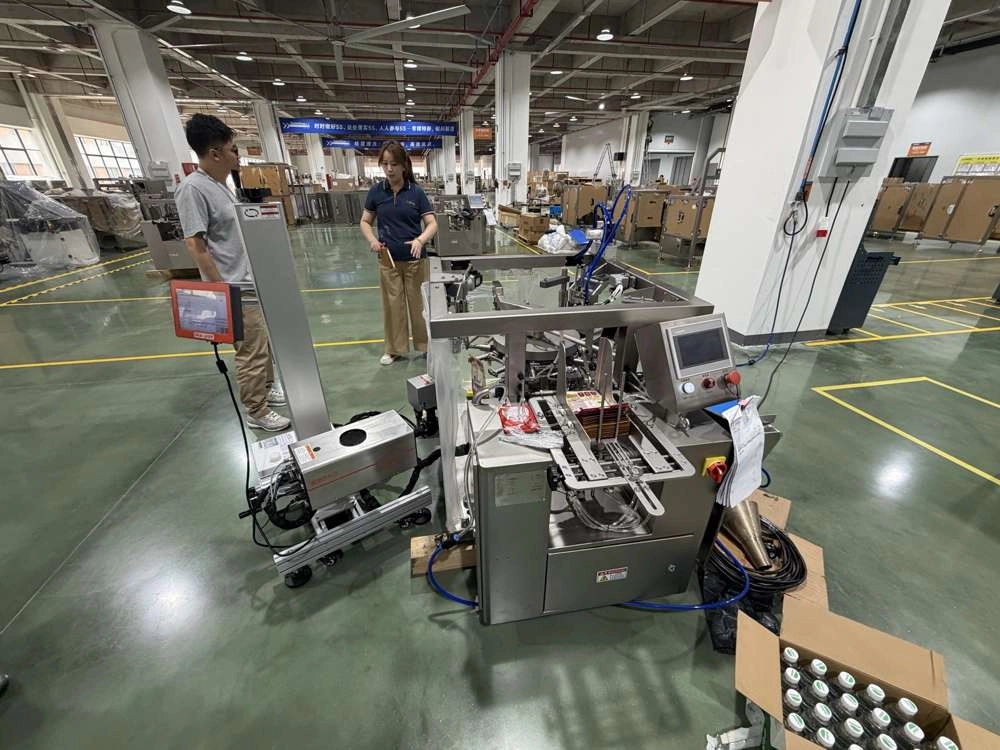
- The factory floor. Ask for a live video walk of the production line, or send someone. Our sourcing team is in China, and they go to the factory.
For the checks to run before any money moves, see How to Verify a Supplier Before You Wire a Deposit.
Step 2: Lock the Spec Before You Ask for Prices
Three quotes are only comparable if all three suppliers are quoting the same thing. Many sourcing problems start here, before the first sample.
The common traps are about units and standards:
- Inch versus metric. Many Chinese factories make metric sizes by default. 1/4 inch is 6.35 mm. A 6 mm part is close, but it won't fit a tool or socket made for 1/4 inch.
- Thread standards. US pipe and hose fittings commonly use NPT threads. BSP threads, common in Asia and Europe, look similar but don't seal with NPT. Bolts follow the same pattern: UNC and metric threads are not interchangeable.
- Markings and labels. If the product or box must show US units, a model number, or "Made in China," put it in writing before production.
Write a one-page spec sheet: dimensions with tolerances, materials, thread standards, markings, packaging, and carton size. Send the same sheet to every supplier.
Step 3: Approve a Sample, Then Keep It
Ask each shortlisted supplier for samples made to your spec sheet. Measure them against the sheet rather than judging by eye. If a supplier sends something "similar" instead of what you asked for, that tells you how production will go.
When one sample is right, keep it as the approved reference. Note the date, the supplier, and any changes you agreed. That sample becomes the standard for the pre-shipment inspection.
Step 4: Contract and Payment Through a US Company
Paying an overseas factory directly means wiring money abroad to a company you may never have met, under a contract written in another country. Payment fraud often hides in this step. Read Supplier Payment Fraud: Fake Sites, Map Pins, and Domains before you send a deposit to a new account.
Another way to set it up: you sign with a US company and pay it in US dollars inside the US, and that company buys from the factory. With Orientwings International, your contract is with our US company, Orientwings International Corp. On the shipments we purchase, our US company is the importer of record.
This sits under our Supplier Payment Handling on Our Purchases (Including Counterparty Background Screening). The terms for each order, including who pays which costs, follow the contract for that order.
Step 5: Inspect Before the Balance Is Paid
A common structure is a deposit when the order is placed and the balance before shipment. Tie the balance to an inspection, not to the factory's message that the goods are ready.
The inspection compares production against the approved sample and the spec sheet: dimensions, thread, markings, packaging, and carton count. If something is off, it is far easier to fix while the goods are still at the factory. Freight, duties, and the other costs that come after this point are covered in The Real Landed Cost of a Shipment.
Where Orientwings International Fits
Before we place an order, we check the supplier's background and risk. If we have a partnership with a supplier we propose, such as our authorized status with Soontrue, we tell you up front. Our team in China finds and visits suppliers, our team in Taiwan coordinates, and our US company signs with you. Tell us what you are sourcing, and we'll start with the spec sheet.
Further reading