Asia Sourcing Case Study: How We Consolidated Multi-Country Procurement Across Taiwan and Japan for US Client
When cross-border procurement involves multiple products from different countries, managing supply chain logistics, supplier quality control, and international payments can quickly become overwhelming for overseas buyers. Recently, Orient Wings successfully assisted Bravo Conservatory of Music from the United States in executing a highly complex, multi-category procurement project across Asia, establishing a seamless operational model for international supply chain management.
The Challenge: Supply Chain Fragmentation Across Borders
The US-based client required a diverse range of specialized items from various regions in Asia to fulfill their operational needs. This diversity created a highly fragmented procurement pipeline that introduced significant administrative friction:
- Premium Pianos: Sourced from specialized high-tier suppliers in Japan.
- High-Quality Cellos & Sheet Music: Sourced from trusted local musical instrument manufacturers in Taiwan.
- Custom-Manufactured Notebooks: Requiring dedicated, on-site production monitoring and customized printing setups.
Managing separate regional suppliers independently, coordinating multiple international ocean freight shipping schedules, and handling distinct foreign currency bank transactions would have resulted in exorbitant administrative overhead, lengthy customs delays, and high operational risks for the US client.
Our Solution: One-Stop Supply Chain Consolidation & Rigorous Inspection
As their trusted Asia sourcing agent with deep operational roots in both Taiwan and Japan, Orient Wings stepped in to centralize the entire cross-border procurement ecosystem and mitigate multi-country logistical risks.
How We Executed Multi-Country Cargo Consolidation
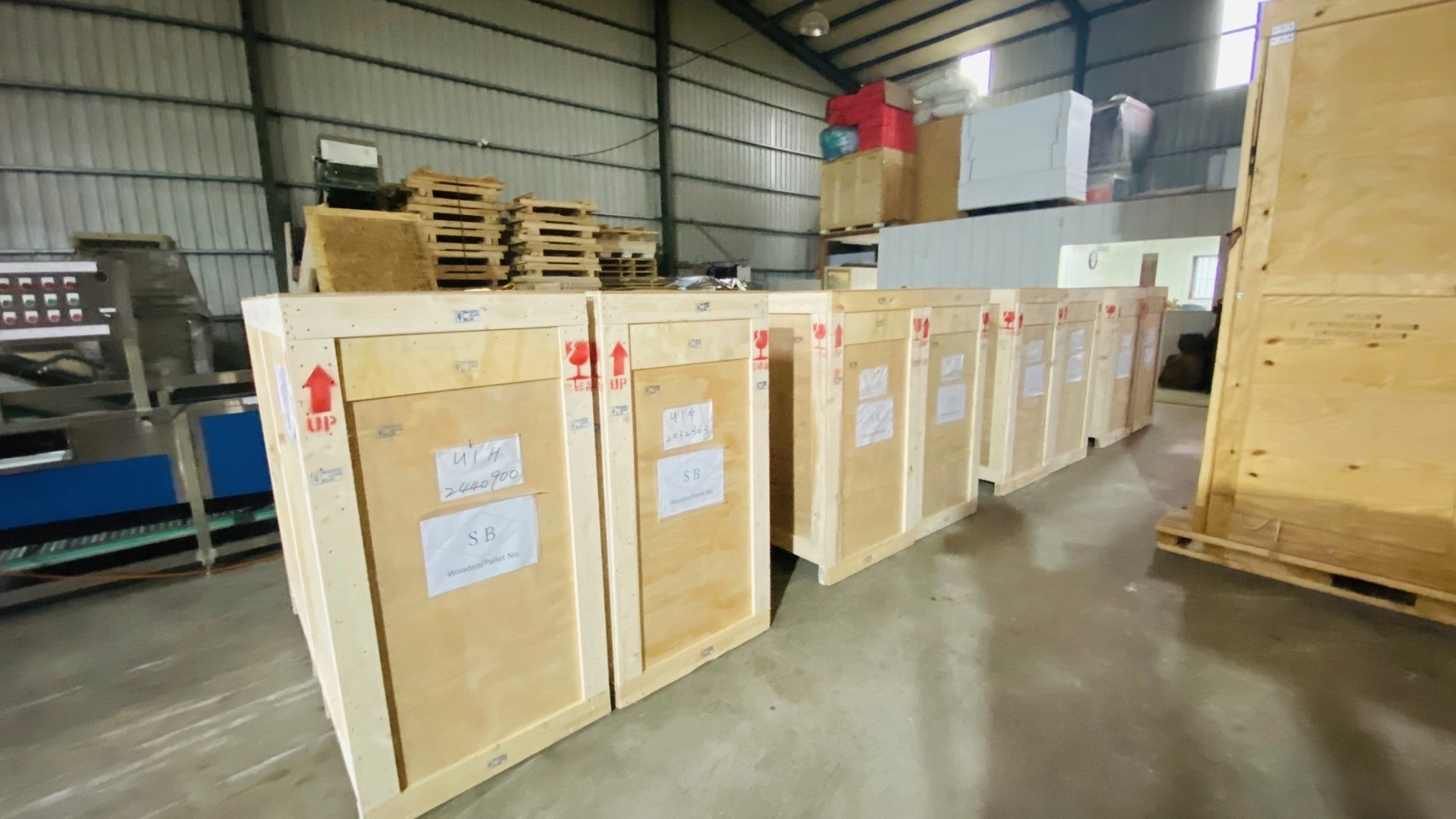
To optimize international ocean freight logistics, we deployed our regional network to coordinate with all suppliers across Japan and Taiwan. Instead of executing multiple costly Less-than-Container Load (LCL) shipments, we aggregated all musical instruments and custom goods into a single, consolidated Full Container Load (FCL) shipping container. This strategic cross-border consolidation significantly reduced international freight expenditure, minimized cargo handling damage, and streamlined customs entry at the US port.
On-Site Supplier Quality Control (QC) Inspection
To ensure absolute peace of mind and protect our client's capital, our specialized quality control team conducted thorough on-site product inspections and engineering quality verifications before the freight container was sealed. This rigorous QC process ensured that all custom-manufactured cellos, pianos, and printed materials strictly met the client’s exact materials and acoustic specifications prior to export.
The Result: Streamlined Logistics and Reduced Operational Overhead
Beyond handling strategic sourcing and physical quality checks, we provided a complete financial, legal, and logistical shield for the B2B client:
- Unified Cross-Border Payment System: Instead of dealing with various foreign vendor accounts, local tax compliances, and complex international banking wire fees, the client only needed to transact with Orient Wings via a single multi-currency account. We managed all downstream regional vendor disbursements securely.
- End-to-End Supply Chain Execution: From initial procurement audits and on-site quality control inspections to international freight forwarding and customs clearance, we managed every transactional milestone seamlessly.
By utilizing our comprehensive one-stop supply chain solution, Bravo Conservatory of Music successfully received their diverse cultural and musical assets on time, under budget, and with zero operational hassle.
Client Testimonial: "Orient Wings transformed a fragmented logistical nightmare in Taiwan and Japan into a single, flawless delivery. Their on-site inspection team and unified payment infrastructure saved us hundreds of administrative hours." — Procurement Director, Bravo Conservatory of Music (USA)
FAQ: Overcoming Cross-Border Procurement Risks in Asia
Q1: What are the primary benefits of using an Asia sourcing agent for multi-country procurement?
An Asia sourcing agent centralizes fragmented operations. By handling vendor communication, local compliance, quality control, and cross-border consolidation under one single contract, they eliminate the need to hire multiple regional agencies, drastically reducing administrative overhead and shipping costs.
Q2: How does multi-country cargo consolidation reduce international freight costs between Taiwan and Japan?
Instead of shipping separate, high-tariff LCL (Less-than-Container Load) batches from different ports, multi-country consolidation combines goods from Taiwan and Japan into a single FCL (Full Container Load) shipment. This process optimizes container space, lowers customs entry brokerage fees, and secures better ocean freight rates.
Q3: How does a unified cross-border payment system work for global B2B procurement?
A unified payment system allows overseas buyers to wire the total procurement capital to a single partner (like Orient Wings) in one major currency (e.g., USD). The sourcing agent then utilizes local corporate accounts to disburse funds to individual regional suppliers in JPY or TWD, bypassing multiple international bank fees and compliance flags.
Q4: Why is on-site supplier quality control (QC) critical before container sealing?
Once a container leaves Asian ports, returning defective or sub-standard goods is financially unviable due to high return freights and customs barriers. On-site QC inspection guarantees that all custom product specifications are verified and corrected while the goods are still at the manufacturer's facility, eliminating downstream operational defects.